The Atari 2600—launched in 1977 as the Atari Video Computer System (VCS) and later renamed—is one of the most important machines in gaming history. It was not the first home console, but it was the one that turned cartridge-based video games into a mass-market living-room habit. For millions of families, "playing Atari" simply meant playing video games.
Before the 2600, many home systems were built around fixed games. Atari's breakthrough was a microprocessor-driven console that loaded software from interchangeable ROM cartridges. Buy the hardware once, then keep expanding the library. That model—hardware plus software ecosystem—still defines the console industry today.
The machine itself looked modest by modern standards: a woodgrain-fronted box, two joysticks, paddle controllers, and a switchboard of difficulty and game-select options. Inside, resources were tiny even for the era—most famously 128 bytes of RAM and early cartridges often limited to a few kilobytes of ROM. Those limits forced brutal creativity. Designers painted with almost nothing, inventing techniques such as bank switching to push larger, smarter games onto cartridges that the original hardware had never been meant to support.
Early momentum came from Atari's arcade DNA. The launch lineup included Combat, a tank-and-plane duel that became the defining pack-in experience for many buyers. Colorful home versions of arcade ideas like Breakout also helped sell the fantasy: the arcade had come home, even if the graphics were simpler.
The console's true explosion arrived in 1980 with the licensed home version of Space Invaders. It was a landmark: one of the first officially licensed arcade conversions for a home console, and a genuine killer app. People bought the Atari specifically to play it. Console sales surged, the library expanded, and the 2600 shifted from promising gadget to cultural fixture.
That success also reshaped the business. Frustrated Atari programmers left to found Activision, proving that third-party publishers could thrive on a console platform. Competition from systems like Intellivision and ColecoVision followed. For a few years the industry felt unstoppable—until oversupply, uneven quality, and damaged trust helped trigger the North American video game crash of 1983. The Atari 2600 survived longer than many expected, but its golden age and its near-collapse are forever linked.
What keeps the system fascinating is not only nostalgia. It is the clarity of design. With so little memory and so few pixels, every game had to communicate instantly: move, shoot, jump, survive. The best titles still deliver that pure arcade loop today.
Most beloved Atari 2600 games
Combat remains the classic social starter. Two players, tanks or planes, and a living-room duel that needs almost no explanation. It is not deep by modern standards, but it taught a generation what multiplayer fun felt like at home.
Space Invaders is the system's commercial turning point. Rows of aliens descend, shots grow riskier, and the tension escalates with beautiful simplicity. As a home conversion it proved that arcade hits could drive console adoption.
Adventure (1980) is one of the 2600's most important originals. Exploring rooms, carrying objects, dodging dragons, and chasing a hidden chalice made it a pioneer of action-adventure structure on consoles. It also contains the first widely recognized Easter egg: programmer Warren Robinett secretly signed his name inside the game at a time when Atari did not credit developers.
Asteroids brought vector-arcade tension into the living room—flying through debris fields, blasting rocks into smaller threats, and surviving with careful thrust rather than brute force. Like many later cartridges, it benefited from technical tricks that stretched beyond the console's original design envelope.
Pac-Man became the system's best-selling cartridge and a cultural phenomenon, even though the 2600 version is famously imperfect compared with the arcade original. Flickery ghosts, altered mazes, and compromised visuals disappointed many fans—and that gap between hype and quality is often cited when discussing the industry's early-80s crash. Still, its sales and ubiquity make it inseparable from Atari history.
Pitfall! (Activision, 1982) showed how far third-party design could go. Jungle explorer Harry runs, jumps, swings on vines, and avoids hazards across a long multi-screen adventure. For many players it felt like a leap toward modern platformers, squeezed out of hardware that should not have been able to host something so ambitious.
River Raid, also from Activision, is another high-water mark: a vertically scrolling flight combat game about fuel management, precision shooting, and surviving an endless hostile river. It remains one of the most replayable "just one more run" cartridges on the system.
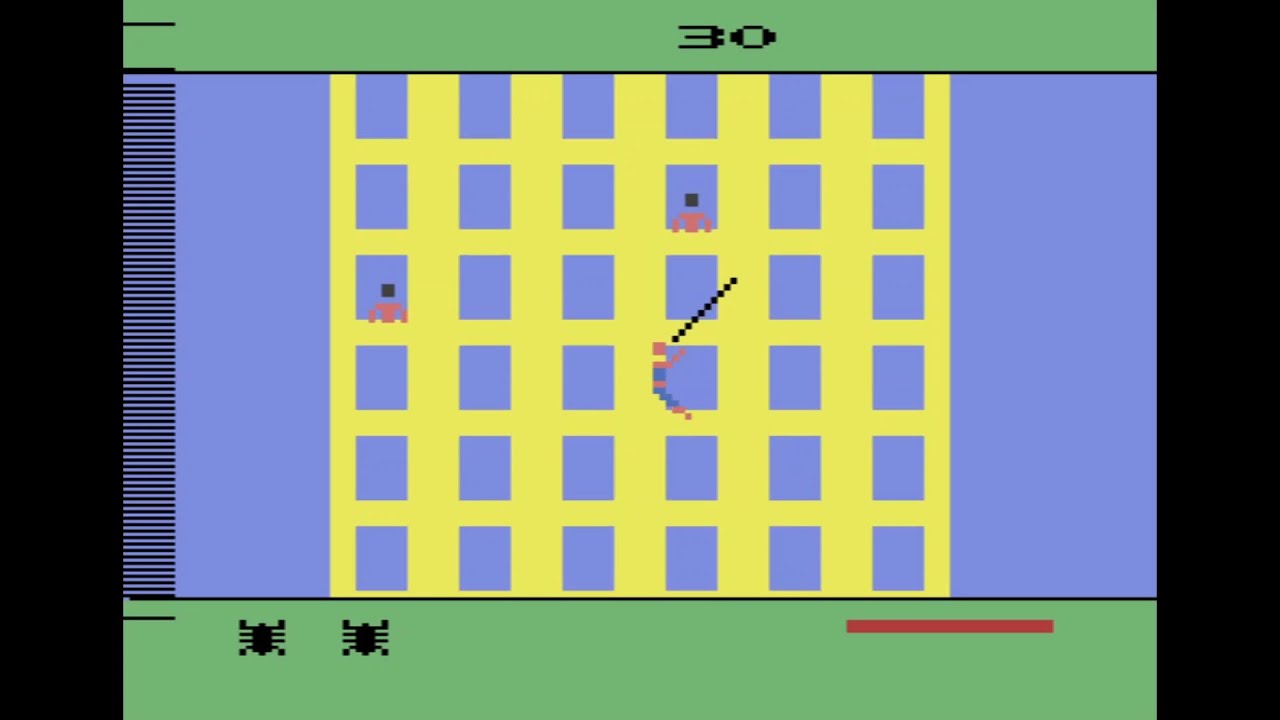
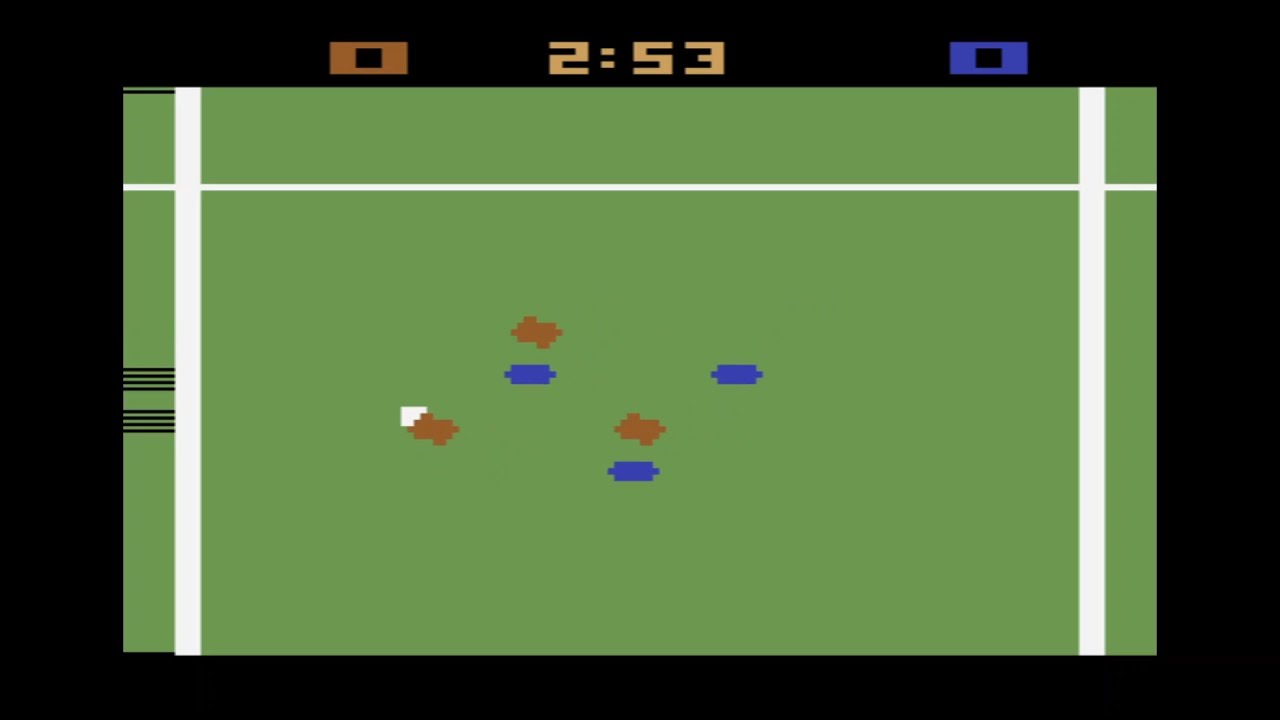
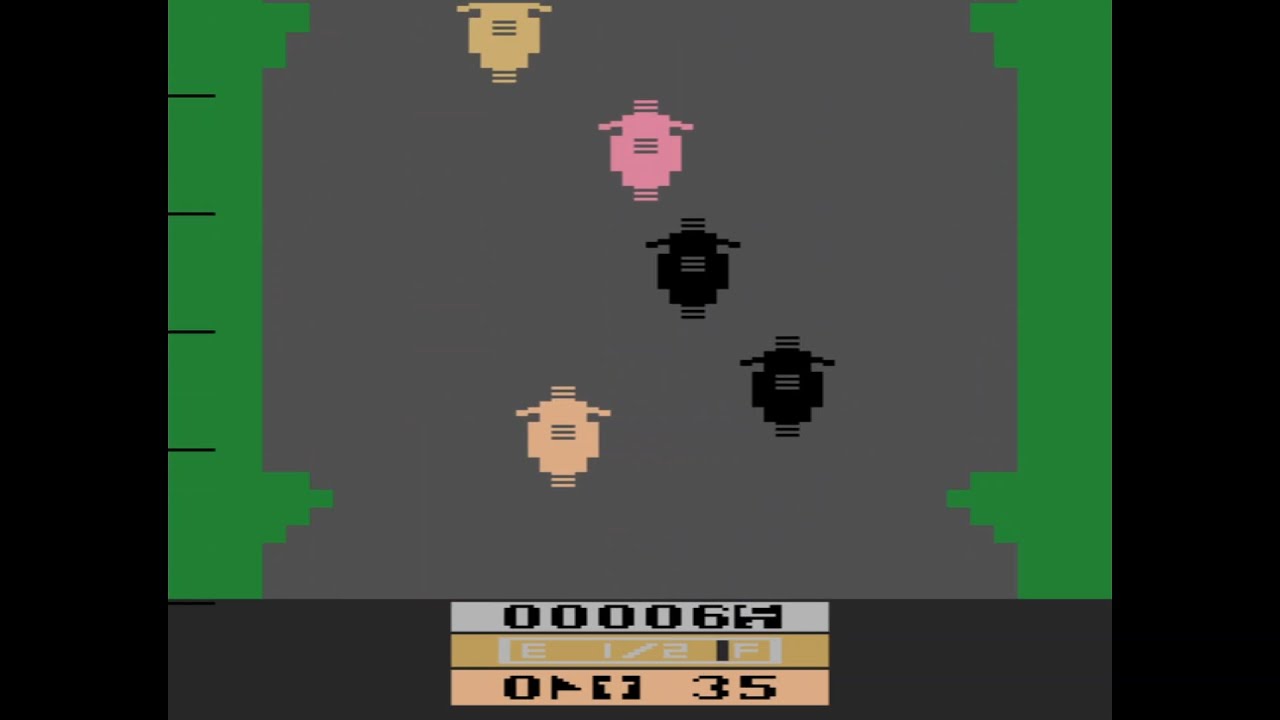
Other favorites fill out the museum shelf. Breakout and paddle classics capture pure arcade abstraction. Sports and licensed experiments—from soccer and boxing to oddball adaptations—show how quickly publishers tried to turn every pop-culture idea into a cartridge. Racing games like Enduro pushed endurance and weather changes into a compelling score chase. Even imperfect licensed titles such as Spider-Man remain charming as time capsules of how early home games interpreted famous characters with almost no memory to spare.
That mix—landmark originals, killer arcade ports, third-party breakthroughs, and delightfully weird experiments—is the Atari 2600 library in miniature. Some games are masterpieces. Some are curiosities. Together they map the moment when video games left the arcade and permanently entered everyday life.
If you are exploring retro gaming today, the Atari 2600 is still one of the best history lessons you can play. Start with Combat or Space Invaders for instant context, try Adventure and Pitfall! for design ambition, then wander into whatever cartridge catches your eye. The graphics are simple. The ideas are foundational. And once the joystick clicks into place, the living-room arcade feeling comes back surprisingly fast.
Watch gameplay videos — browse the full Spider-Man - Atari 2600 archive on this site.
Browse Spider-Man - Atari 2600 Videos →