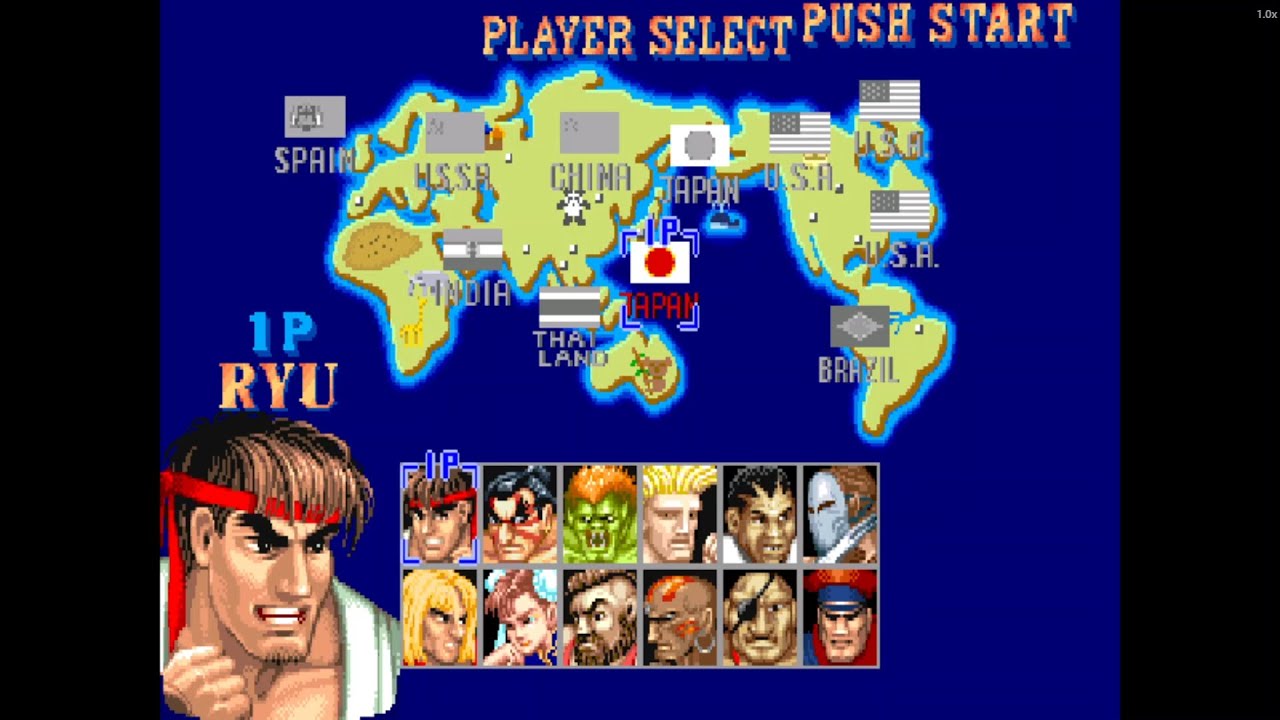
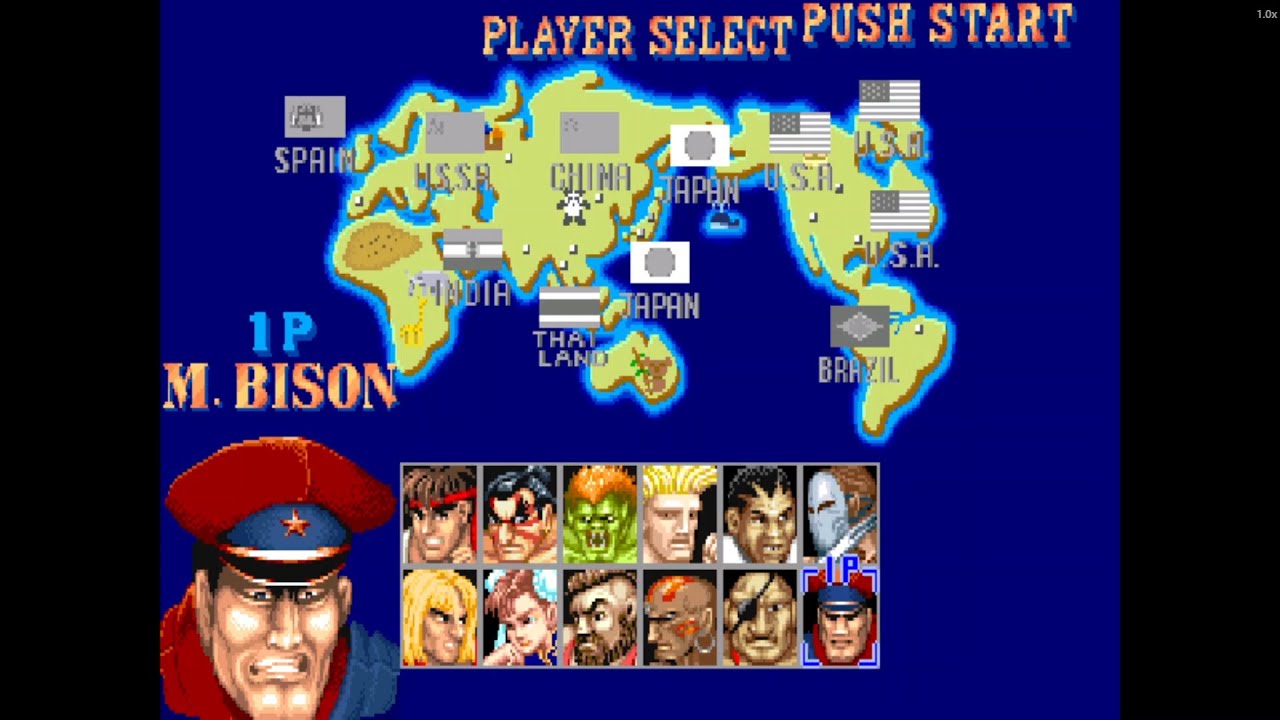
Street Fighter II is one of the most influential fighting games ever made. Released in arcades in 1991, it established fundamentals that still define the genre: footsies, anti-airs, special-move inputs, and the constant mind game between offense and defense.
As a beginner, start with one character and learn their basic buttons. Understand which attacks are safe, which have reach, and which are good at stopping jump-ins. You do not need fancy combos on day one—you need clean normals and good habits.
Blocking and spacing are more important than aggression. Many new players lose because they mash. Instead, control the mid-range, punish whiffs, and jump only when you have a reason. Jumping every exchange is one of the fastest ways to get anti-aired.
Special moves should support your plan, not replace it. A fireball can control space, a dragon punch can punish a jump, and a hurricane kick can create pressure or escape. Learn one or two reliable specials before trying every input in the move list.
Spend time in training or versus mode focusing on reactions: block a jump-in, anti-air a telegraphed leap, punish a fireball from a safe distance. These fundamentals transfer to almost every fighting game you will play later.
Character choice matters less than commitment. Ryu is an excellent teacher because his toolkit is balanced, but Ken, Chun-Li, Guile, and others can also work if you stick with them long enough to understand their rhythm.
Improvement in Street Fighter II comes from patience and repetition. Once basic defense and spacing feel natural, combos and advanced tactics become much easier to learn—and far more effective.
Watch gameplay videos — browse the full Street Fighter II: Champion Edition archive on this site.
Browse Street Fighter II: Champion Edition Videos →